Anthropic formally dropped its S-1 on Monday, targeting a Nasdaq listing under the ticker ANT with valuation whispers reaching up to two trillion dollars . Prediction markets immediately priced a 95% probability of a priced offering by year-end. For the broader financial system, this is not just another referendum on large language models. It is a violent unblocking of the venture capital liquidity pipe.
Private equity and venture limited partners have spent the last two years suffocating under a brutal drought of Distributed Paid-In Capital (DPI). When the IPO window slams shut, institutional wealth stays trapped in illiquid, late-stage paper. Anthropic's offering—alongside massive parallel capital grabs by Meta and SpaceX—mechanically forces that public window open, allowing venture funds to finally monetize mature portfolios.
The Secondary Market Pre-Game
Before the bell rings on a mega-cap IPO, the secondary markets wake up. The sheer scale of capital required to feed frontier AI models has outstripped the capacity of private venture rounds. As companies structure their exits, platforms like Forge Global (now part of Charles Schwab) capture the initial volume surge as early employees and sidelined venture funds scramble to secure pre-IPO price discovery.
The pricing dynamic: Market selectivity remains utterly ruthless. Secondary trading and primary underwriting volume are concentrating almost exclusively in top-tier artificial intelligence and defense platforms. Mid-tier enterprise software issuers attempting to draft off Anthropic's momentum are instead being exposed to steep valuation haircuts on secondary venues . Liquidity is returning, but it is deeply bifurcated.

The Underwriting Transmission Engine
Wall Street's top-tier investment banks operate as the primary toll collectors on this regime shift. We are witnessing a massive structural transfer of capital from late-stage private markets into public equity supply, and the syndicates are feasting.
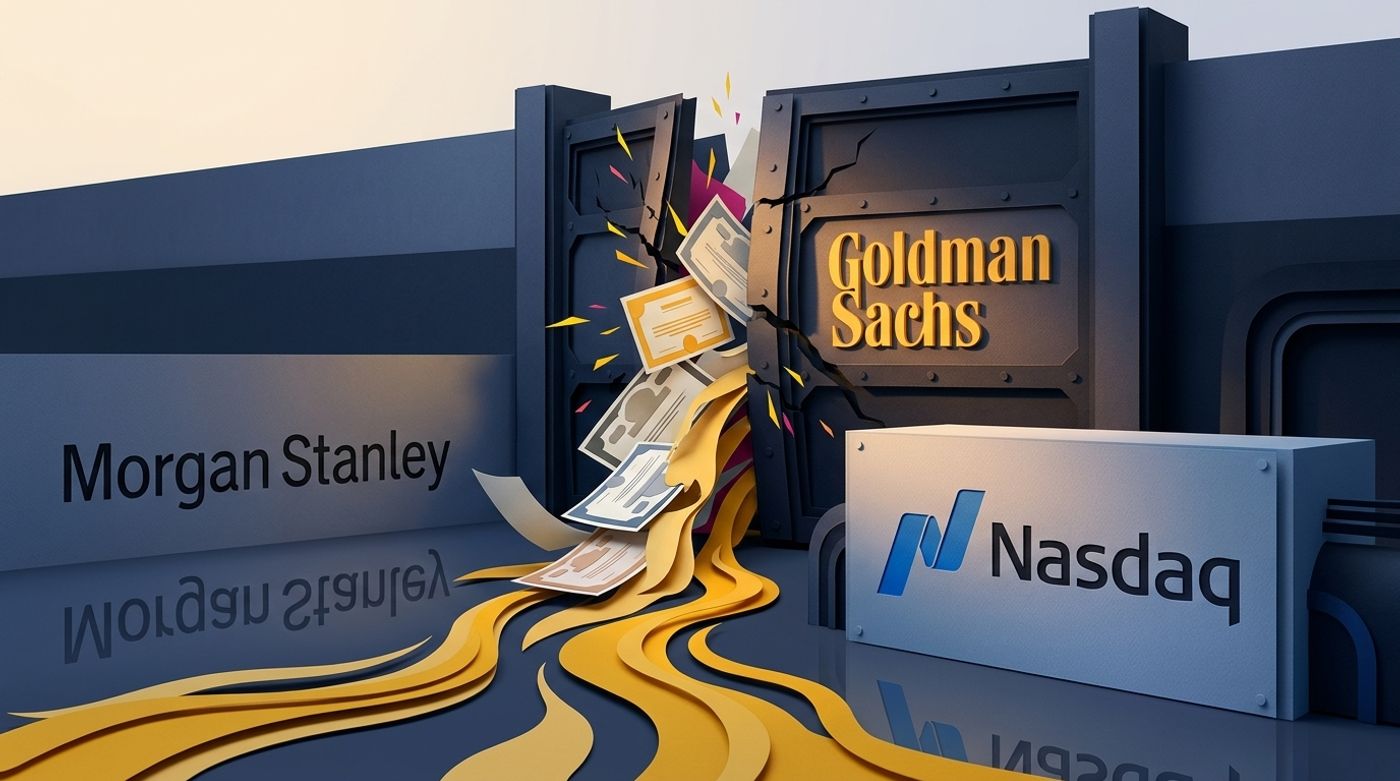
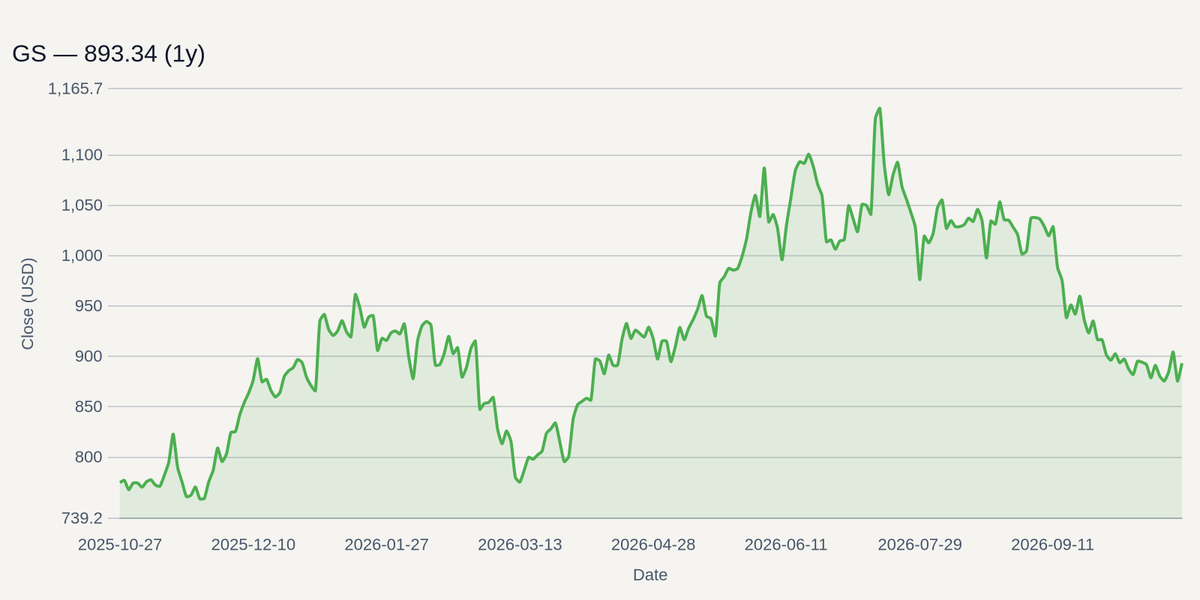
The fee machine: Goldman Sachs just reported a 43% year-over-year explosion in equity underwriting revenue, printing $666 million as tier-one desks confirm a fierce equity capital markets rebound . Meanwhile, Morgan Stanley posted 41% growth in institutional equities revenue, aggressively converting tech capital formation directly into wealth management inflows .
The venue winner: Further down the financial plumbing, exchange operators are quietly expanding their own margins. Nasdaq not only secures the marquee ANT listing but structurally broadens its initial listing fee base while upselling high-margin, SaaS-based investor relations platforms to a newly minted class of public tech giants.
The 180-Day Supply Trap
Here is the mechanical catch: IPO filings do not instantly hand cash to limited partners. The standard 180-day lockup structure creates a delayed, massive supply shock. The impending lockup expiration for mid-year mega-cap listings (hitting right around mid-December 2026) means institutional buyers will suddenly need to absorb a tidal wave of unleashed float .
Macro vulnerabilities: If Anthropic debuts successfully in November, its lockup will expire in mid-2027—right as other unicorns try to test the waters. If benchmark yield volatility flares up or policy rates remain sticky, public market multiples will compress, triggering issuance postponements for any company that lacks Anthropic's untouchable aura .
If the market struggles to digest the new float, the liquidity window could violently snap shut again. Databricks and Kraken are already targeting early 2027 registrations to slide through the door Anthropic just kicked open . For Scouter users, the clearest transmission isn't guessing the day-one pop of an AI lab—it is measuring the fee extraction by the Capital Markets complex facilitating the exodus.