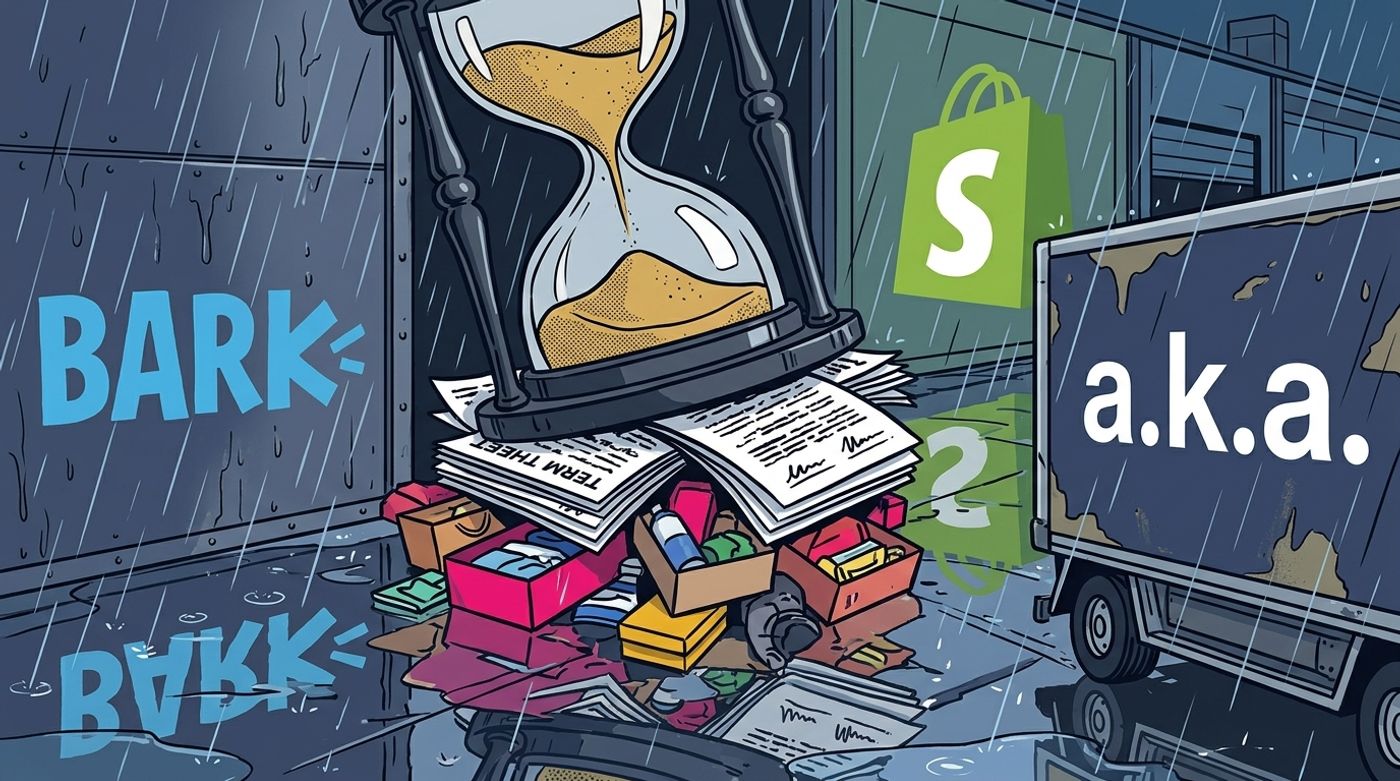
Shein's rushed, valuation-slashed IPO preparations serve as a live autopsy of late-stage private market engineering violently colliding with public market discipline. Beneath the consumer narrative of fast-fashion dominance lies a ruthless cap-table reality: valuation ratchets, structured triggers, and aging private funds are forcing mature direct-to-consumer (D2C) giants to pull forward listings. They are absorbing brutal haircuts just to unlock liquidity.
When a company stays private for a decade, the capital stack becomes a maze of liquidation preferences. To avoid triggering billions in penalties to early backers, these companies are forced into the public arena regardless of the macro weather.
The pivot to unit economics
Once these names transition to public markets, the old playbook of subsidizing growth with venture cash (and praying for a buyout) dies. Public investors demand sustainable unit economics, which is forcing the surviving D2C cohort to aggressively rewrite how they acquire customers.
Generative artificial intelligence is replacing brute-force third-party ad spend. Brands are transforming their platforms into hyper-personalized recommendation engines to drive up customer lifetime value and bypass traditional search advertising . By utilizing predictive analytics, e-commerce players can create closer, direct relationships with shoppers without bleeding margin to digital ad networks .
Building the personalization infrastructure
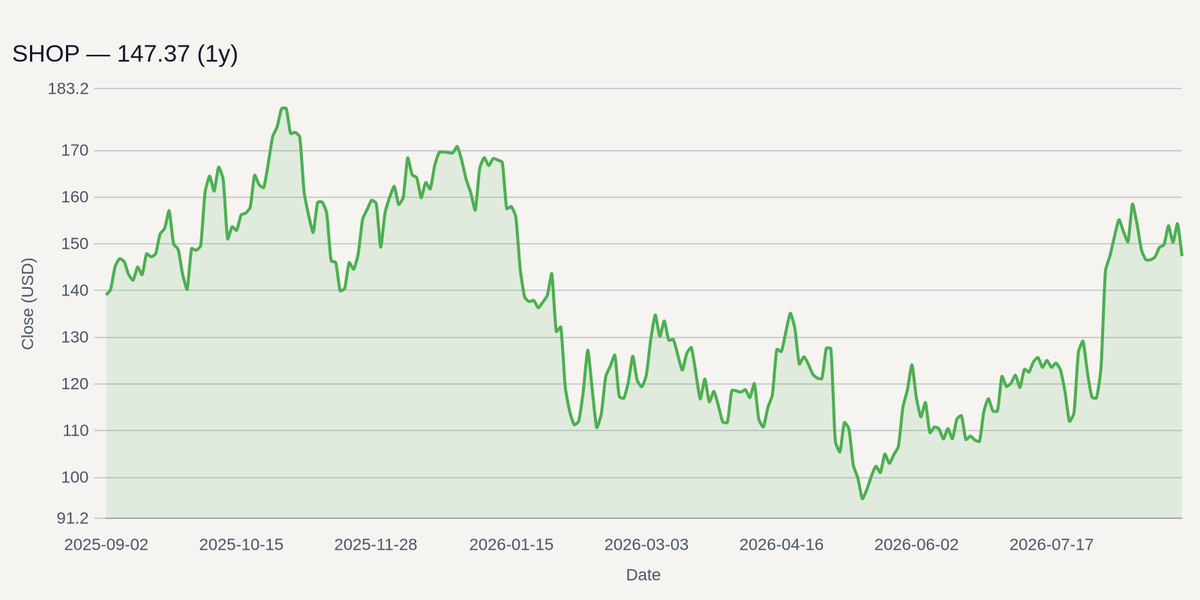
The arms race to build these capabilities is shifting capital toward the platform providers. E-commerce backbone SHOP is launching new AI-powered marketing solutions to support D2C brands navigating this exact bottleneck .
Shopify's upcoming Q3 print serves as a critical test for this thesis, demanding proof that high-margin SaaS adoption can re-accelerate top-line growth into the Black Friday season. If management fails to deliver upside holiday quarter guidance, valuation concerns could quickly trigger a harsh repricing.

Squeezed by supply chain realities
But AI marketing efficiency can only mask so much operational drag. The physical reality of moving goods across borders remains a massive vulnerability for the D2C space.

Companies like BARK and AKA face immediate margin headwinds from potential tariff implementations on imported goods. If sweeping trade policies materialize, the landed costs for pet products and apparel will spike, severely compressing the very margins these companies just spent millions trying to optimize through software.
The tension between digital optimization and physical supply chain friction will define the next two quarters for Consumer Discretionary stocks. The winners will be the platforms selling the AI pickaxes and the brands with enough pricing power to pass along tariff costs. The losers will be the highly levered, late-stage private players forced into the public glare with broken unit economics.