South Korea’s Hanwha just dropped a $1.05–$1.2 billion nonbinding offer for naval shipbuilder Austal USA. Right next to it, the White House extended another 90-day Jones Act waiver to allow foreign-flagged ships to move domestic energy between U.S. ports. These aren't isolated headlines. They are symptoms of a severe structural atrophy in the American maritime industrial base, exposing the extreme measures required to keep logistics moving when physical capacity runs out.
The U.S. simply cannot build or maintain enough ships to service its own geopolitical and commercial mandates (you cannot legislate a drydock into existence overnight). As the domestic maritime supply chain hits a hard physical ceiling, allied foreign direct investment and executive regulatory bypasses are becoming the primary mechanisms to break the bottleneck.
The physical capacity ceiling
The Jones Act traditionally requires goods shipped between U.S. ports to be transported on ships that are built, owned, and operated by American citizens. But when domestic yards lack the bandwidth to build the required tonnage, the law becomes a logistical choke point. The administration's 90-day waiver is an explicit admission that domestic capacity cannot meet current energy transport needs without foreign intervention.
Hanwha’s billion-dollar push into U.S. naval shipbuilding is the other side of the same coin. Washington is actively seeking to revive domestic shipyards, and importing allied capital and industrial expertise is the fastest route. This effectively outsources the modernization of U.S. maritime infrastructure to Asian conglomerates that still possess the scale and workforce to execute heavy marine manufacturing.
The ton-mile multiplier
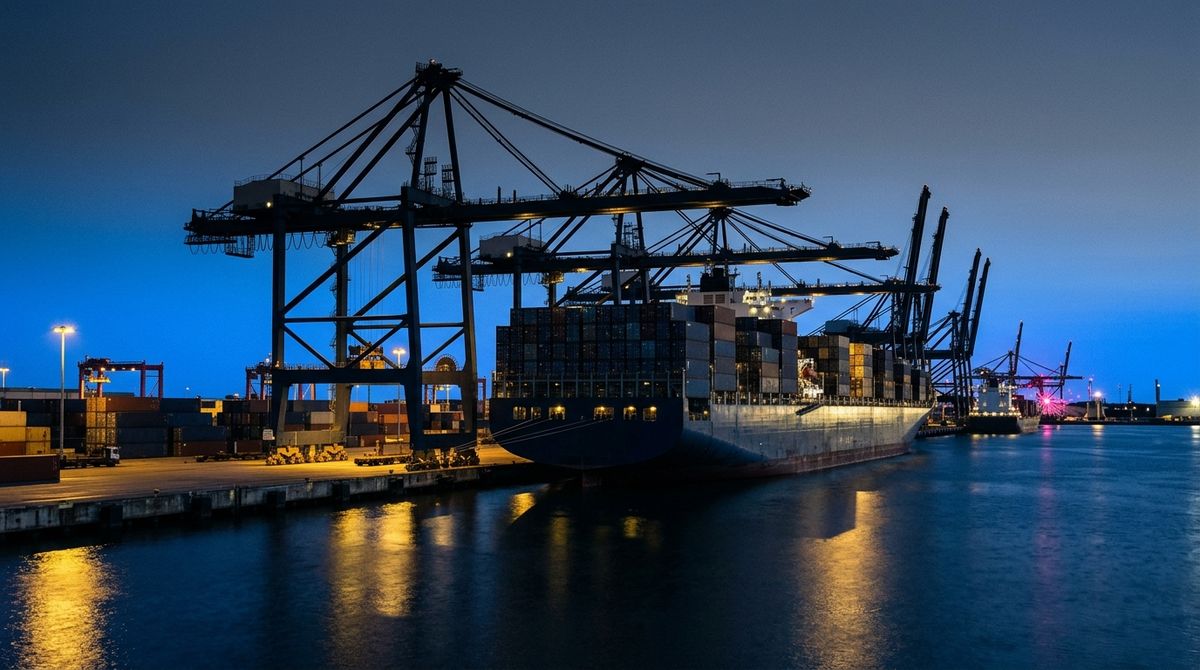
This domestic bottleneck is colliding with a massive global rerouting. The Strait of Hormuz and the Bab el-Mandeb Strait are currently under simultaneous threat from Iran and Houthi allies . With roughly 80% of global merchandise trade by volume moving by sea, these blockades force massive vessel detours around the Cape of Good Hope .
Commercial shipping is facing renewed disruption, marked by 14 Iranian attacks on vessels since late June and the breakdown of the US-Iran ceasefire . The math here is brutally simple: longer routes absorb excess global fleet capacity. This supply constraint structurally elevates spot freight rates, transferring pricing power directly to vessel owners and energy carriers.
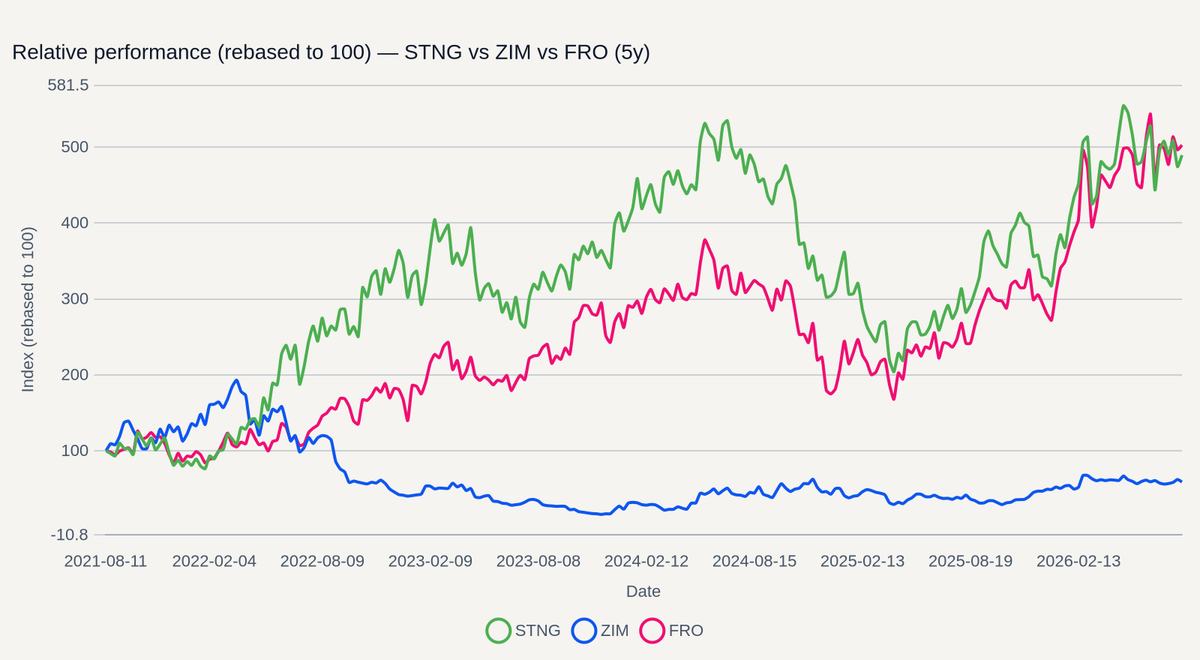
Operators heavily levered to these surging spot rates are printing cash. Frontline plc and ZIM Integrated Shipping Services Ltd. have massive spot market exposure directly benefiting from the extended ton-mile demand. Pure-play product tanker companies like Scorpio Tankers Inc. are poised to capture sustainably higher margins as the physical distance their product must travel structurally increases.
Capital allocation at the peak
For investors tracking this Maritime Chokepoint Rerouting trend, the focus now shifts to balance sheets. The free cash flow from still-elevated freight rates should show up in the next round of earnings prints.
The sector's usual playbook during rate spikes is to pay down debt and, when the math allows, hand back cash to shareholders. Scorpio Tankers has used strong cash generation to reduce leverage and return capital; if its next capital return update is meaningfully better than expected, that can support a rerating, while weaker Q4 guidance or a pause in cash returns could quickly hit the shares.
The twin threats of peace and tariffs
The primary obstacle to this bullish maritime thesis is the potential for sudden geopolitical de-escalation. A renewed ceasefire agreement would quickly reopen the affected Middle Eastern chokepoints, collapsing the ton-mile premium currently priced into spot freight rates .
Even if the physical blockades hold, operators face the macroeconomic risk of demand destruction. If sustained high energy prices—or aggressive new U.S. trade tariff policies—meaningfully suppress global consumption, the overall volume of global shipments will drop. That volume contraction could easily offset the pricing power currently enjoyed by restricted fleet capacity. The maritime trade is currently a bet on continuous friction; any smoothing of the global supply chain, whether through diplomacy or demand collapse, breaks the bull case.