Global crude flows are no longer fungible. Between kinetic drone attacks on legacy Russian refining chokepoints and China quietly absorbing Far East barrels to offset Middle East disruptions, the global energy supply chain is physically balkanizing.
This geopolitical fragility is forcing nations to aggressively secure non-aligned reserves. The result is a geographically distinct, 11-figure offshore CapEx cycle quietly taking shape—exemplified by nations like Nigeria pushing for $50 billion in localized offshore investments by the end of the decade.
The death of growth-at-all-costs
While international markets scramble for offshore assets, the domestic E&P Capital Discipline & Consolidation trend has completely rewired U.S. production. Operators have abandoned the aggressive volume-growth mandates that defined the fracking boom. Today, management teams are prioritizing return on invested capital, cash flow generation, and absolute balance sheet stability .
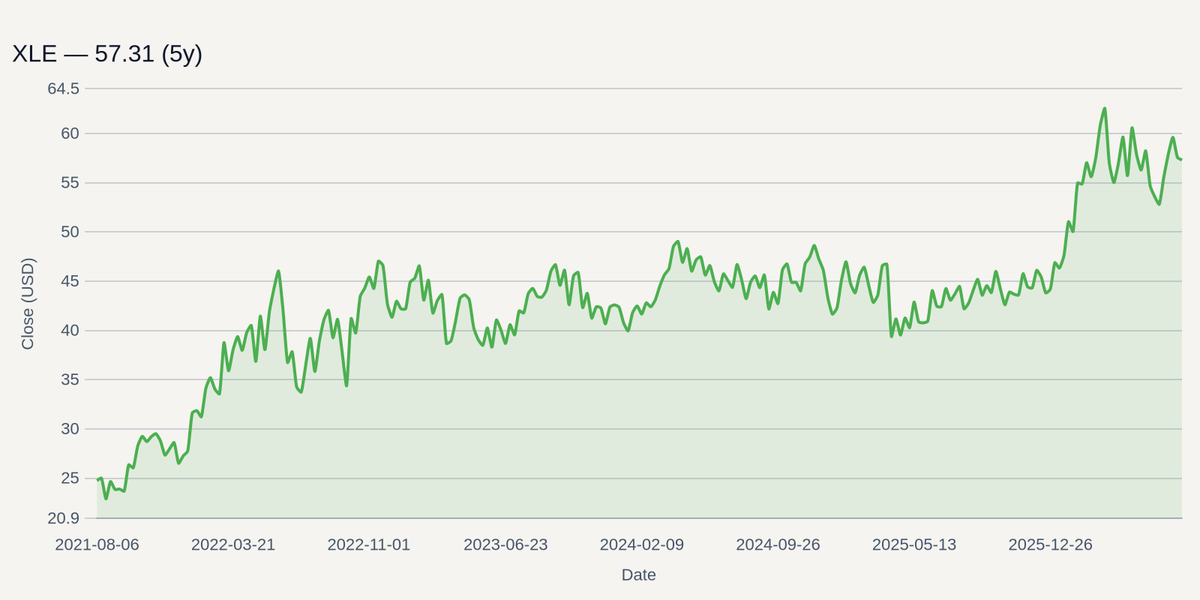
This structural shift helps cushion disciplined operators from commodity volatility. By replacing exploration risks with rigorous free cash flow models, the sector is rewarding operators who actively consolidate core acreage rather than drill blind . Even during periods of elevated pricing, production volume growth has markedly slowed as executives adhere to strict capital frameworks .
Consolidation and the multiple trap
Capital reallocation now flows almost exclusively into targeted acquisitions. This dynamic is rapidly shrinking the domestic upstream landscape, consolidating the top fifty industry players down to a highly resilient top forty .

Yet, despite a long history of meticulous cost-cutting and shareholder returns, the upstream oil and gas sector still struggles to command top-tier market multiples from hesitant institutional allocators . Wall Street remains perpetually skeptical that discipline will hold when crude prices spike, demanding increasingly massive buybacks just to maintain baseline valuations.
Earnings execution and the CapEx test
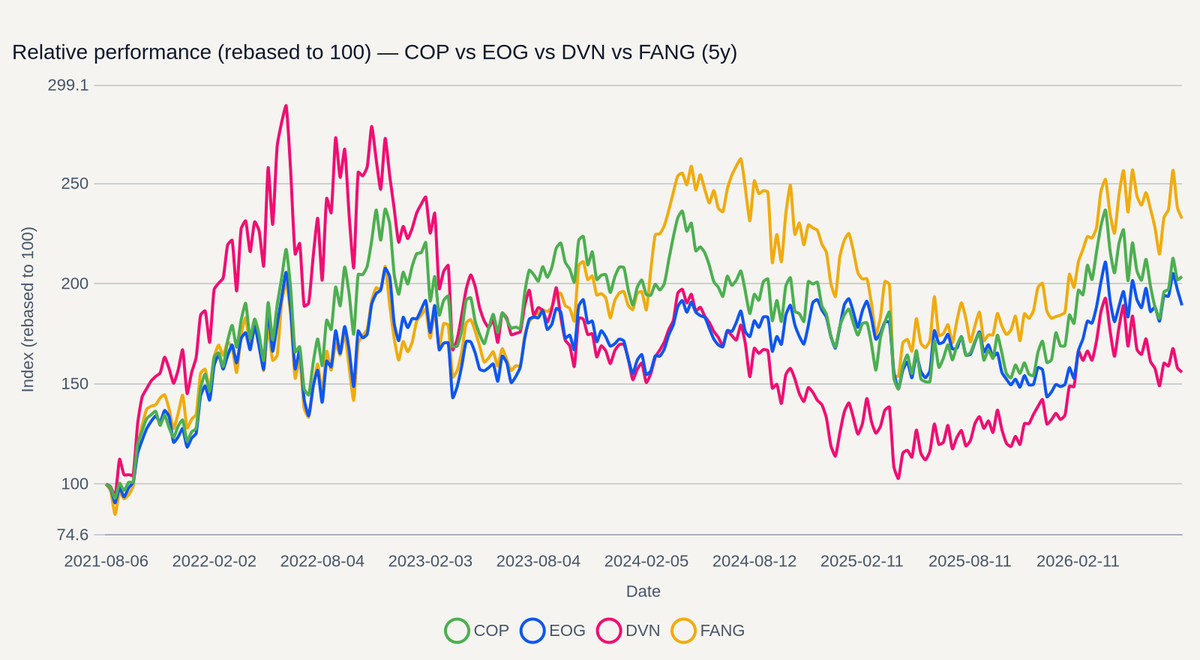
The narrative gets tested immediately, with COP and EOG delivering pivotal earnings prints this week. For ConocoPhillips, the market is laser-focused on capital expenditure creep; unless the company can decisively beat free cash flow estimates, anxiety over peak spending will outweigh steady operational performance.
Meanwhile, pure-play operators like DVN and FANG are leveraging fixed-plus-variable dividend models to prove the cash-first thesis works across cycles. The underlying risk to this entire setup remains macroeconomic. Executives quietly acknowledge that localized price volatility and macro shocks could still threaten baseline profitability and maintenance capex schedules if global demand craters .