The energy security narrative has quietly transitioned from frantic winter bidding wars to decades-long concrete pours. Overnight, Korean media reported that Seoul and the United States agreed on a massive $22.3 billion investment to build out gas-fired power infrastructure in Texas (even as South Korea's Industry Ministry cautioned that negotiations remain ongoing). Meanwhile, European natural-gas prices bumped up 2% (trading near 74 euros a megawatt-hour) following severe disruptions to Qatari supply flows.
These parallel headlines outline the same structural shift. Nations are abandoning the volatility of prompt-month cargo trading in favor of massive onshore capital lockups. We are entering a multi-year Global Liquefied Natural Gas Infrastructure Supercycle, where sovereign wealth and utility balance sheets are underwriting the U.S. Gulf Coast export machine .
Escaping the spot market via tolling economics
The institutional appetite for this buildout relies on isolating the infrastructure from the underlying commodity. Operators want the toll, not the gas.

By securing long-term, take-or-pay commercial contracts before a shovel hits the dirt, heavyweights like LNG (Cheniere Energy) effectively insulate their midstream cash flows from natural gas price swings. The global LNG infrastructure market is now projected to triple in size by 2033 . For pure-play developers like NEXT (NextDecade), advancing greenfield export trains requires locking down these 15- to 20-year off-take agreements to satisfy stringent project finance syndicates.
The feedgas and compression bottleneck
You cannot export molecules you cannot move. The liquefaction terminals sitting on the water represent only the final yard of a massive continental pipeline network.
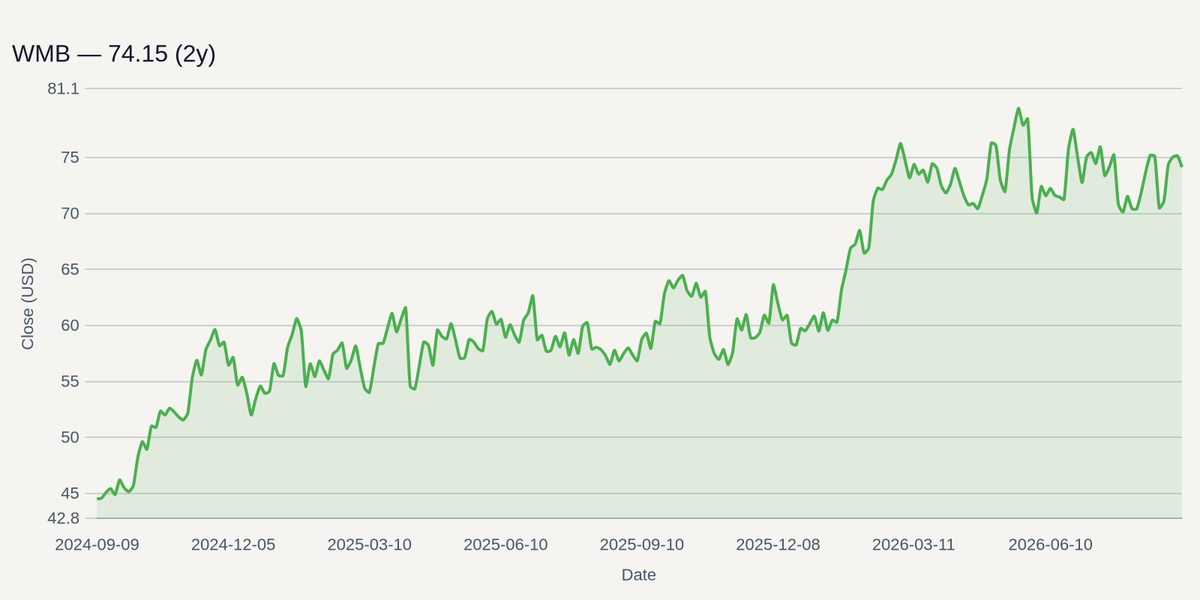
Delivering high-volume feedgas into these growing export corridors pulls direct capital through midstream transmission networks. Operators like WMB (Williams Companies) and KMI (Kinder Morgan) act as the physical toll roads to the coast. WMB's upcoming Q3 2026 earnings print in early November will serve as a crucial barometer for winter transmission volumes, while KMI is slated to report its Q3 run rates in late October.
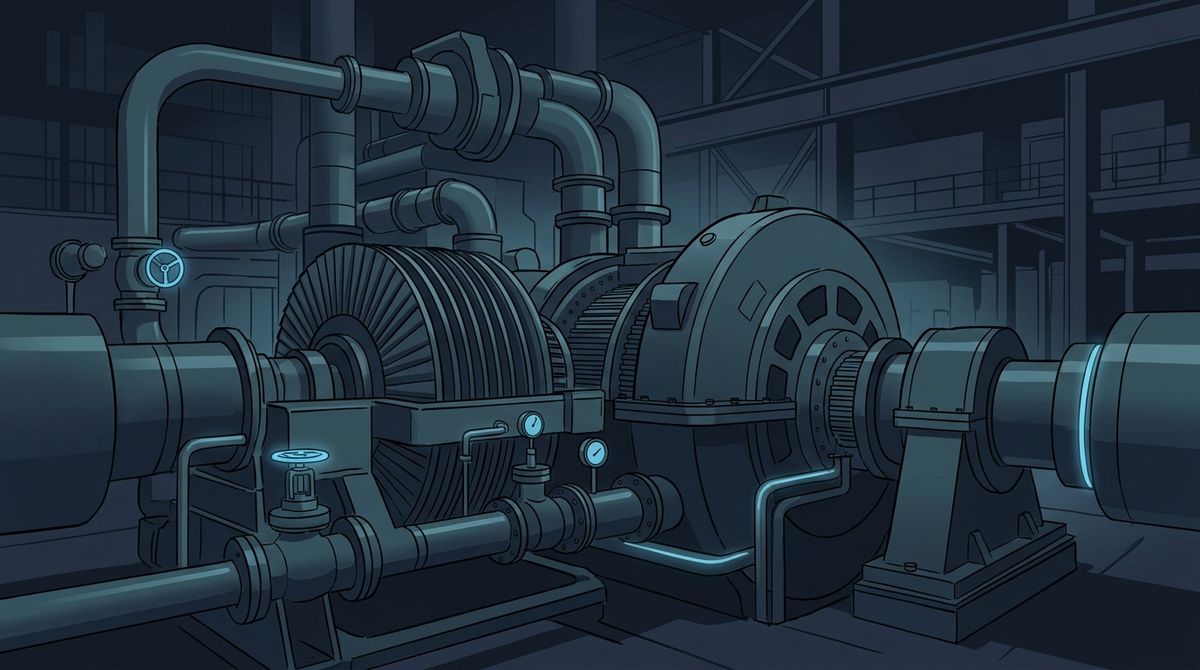
Beyond the pipe, the physical act of dropping natural gas to -260°F requires colossal mechanical force. The supercycle creates a deep backlog for essential equipment suppliers like BKR (Baker Hughes), which provides the specialized main refrigeration compressors and gas turbomachinery that make these mega-trains run.
Regasification limits and the 2028 supply glut
Capital cycles always risk outrunning demand. The primary headwind for this theme is a looming medium-term supply glut.
Global nameplate liquefaction capacity is expanding aggressively, and when multiple sanctioned mega-trains enter simultaneous commercial operations, uncontracted spot volumes will face severe margin compression . The bottleneck then shifts from the export terminal to the import facility. Price-sensitive developing markets frequently lack the downstream regasification and pipeline integration to absorb sudden influxes of cheap gas, creating regional gluts that low commodity prices alone cannot fix .
Pricing the Q4 project finance window
The back half of 2026 serves as a proving ground for the next phase of capacity. Investors are modeling commercial in-service dates across key Gulf Coast export facilities expected in Q3 and Q4, which establish the new baseline for national export throughput .
For agile alternatives to onshore concrete, GLNG (Golar LNG) provides specialized floating liquefaction and storage vessels, bypassing terrestrial permitting delays entirely. As secondary expansion phases for Atlantic and Pacific basin terminals hunt for final investment decisions (FIDs) and debt syndication into year-end, the market will measure exactly how much conviction foreign capital still holds for U.S. shale.