
Treasury Secretary Scott Bessent is running the U.S. Treasury like an activist hedge fund. When yields spiked to uncomfortable levels this week, the Treasury Department didn't just issue a calm statement—it doubled its long-end debt buyback maximum to at least $4 billion per operation . The stated goal is "market liquidity." The actual mechanic is a soft deployment of yield curve control. By stuffing the short end with bills and actively repurchasing 10- to 30-year paper, the Treasury is forcibly capping long-duration borrowing costs.
The Federal Reserve Collision
This aggressive curve engineering sets up a fascinating structural clash heading into Federal Reserve Chairman Kevin Warsh's Jackson Hole address on August 28. The Fed is ostensibly independent, tasked with managing inflation in an era of massive capital needs for defense and reshoring. But when the fiscal deficit runs at $2.1 trillion and the Treasury actively intervenes to suppress the long end, the central bank's monetary policy is effectively overridden. As critics note, this populist logic risks twisting the Fed into a support mechanism for fiscal policy .
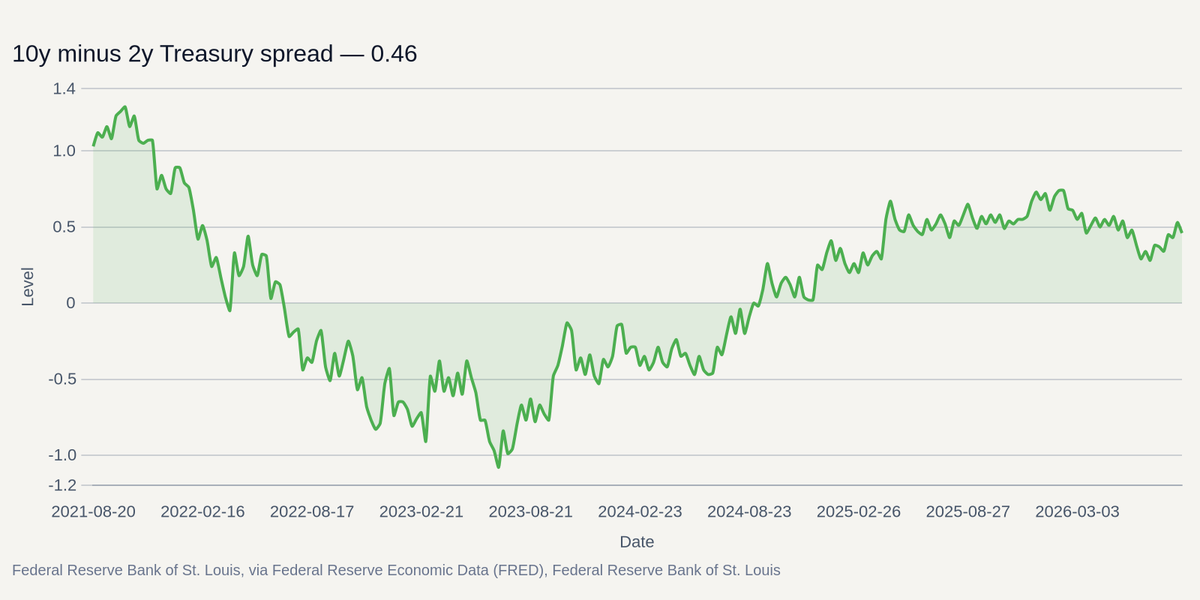
If the Treasury acts as the buyer of last resort for its own duration, the traditional transmission of higher interest rates breaks down. The government is essentially overriding the term premium, pushing the structural burden of its own deficit maneuvering onto short-term bills while starving the market of long-dated safe assets.
The Fixed-Income Tollbooths
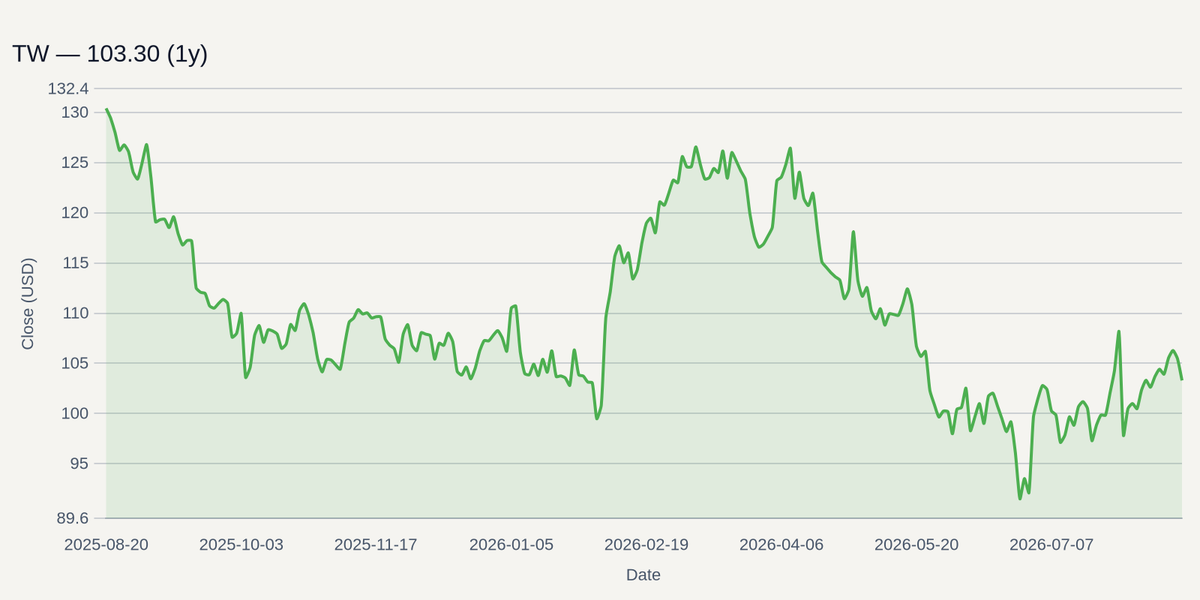
When the sovereign debt curve becomes a heavily managed political instrument, trading velocity explodes. Bond investors are already piling into curve steepener bets as they anticipate the structural gap between front-end easing and active back-end Treasury intervention . This engineered volatility is a pure gift to the electronic trading platforms serving as the bond market's tollbooths.

Platforms like CME capture the surging open interest in Treasury futures, while TW and MKTX process the record turnover in institutional government bonds. When macro desks are forced to actively trade around Treasury buyback schedules (rather than simply holding to maturity), these exchanges print cash on every pivot. They are the purest way to play Treasury Curve Engineering without taking a directional stance on rates.
The mREIT Spread Relief
Beyond the exchanges, active long-end liquidity support quietly bails out agency mortgage REITs. Names like AGNC and NLY have spent years navigating brutal interest rate volatility that repeatedly crushed their book values. If Bessent successfully dampens tail risk on the long end, it compresses the term premium and stabilizes net interest margins for these massive mortgage capital providers. They are structurally positioned to capture a sustained re-rating if sovereign borrowing costs are kept on a leash.
The Inflationary Blowback
The glaring risk to this thesis is the bond vigilante response. You can artificially suppress the 10-year yield for a while, but shifting trillions in federal borrowing to the front end is wildly inflationary. If inflation expectations dislodge, no amount of $4 billion buyback tranches will stop the long end from snapping back, which would instantly crush the mREIT relief rally. For now, the market is playing the Treasury's game, waiting to see exactly how these upscaled operations clear the market when they officially take effect on September 9 .