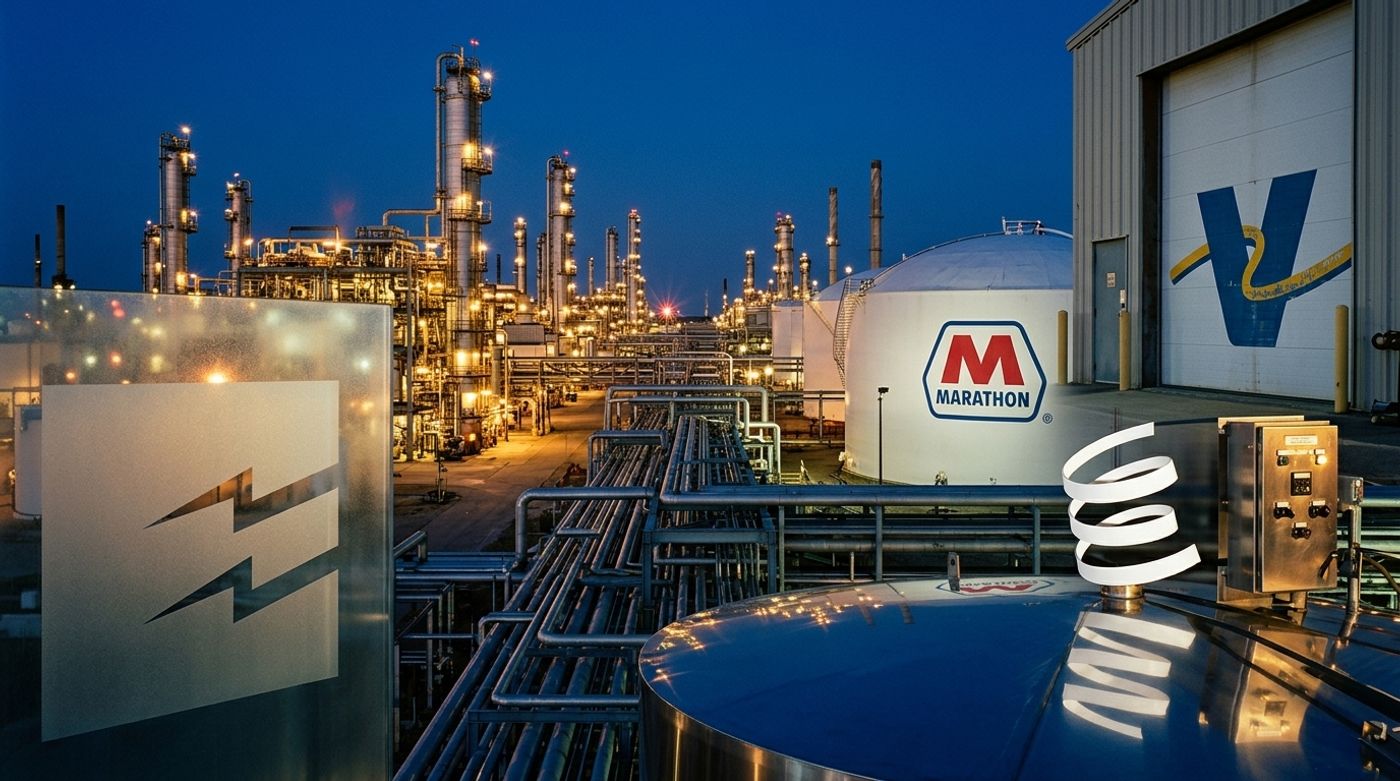
The global oil map is undergoing a forceful, physical redraw. With persistent militant activity in the Red Sea and a diplomatic stalemate choking off the Strait of Hormuz, Middle Eastern crude is scrambling for alternative exits. Saudi Arabia has rapidly surged exports through the Sumed pipeline, crossing Egypt to dump crude into the Mediterranean Sea at Sidi Kerir.
But dodging the Bab el-Mandeb Strait comes with a brutal financial toll. Rerouted supertankers face a 25-day detour around Africa to reach Asian buyers, destroying the route's unit economics. This logistical nightmare is structurally advantaging an insulated group of domestic players: U.S. refiners and midstream operators .
Refining the American edge
When global supply chains balkanize, the player with the shortest, most secure path to market wins. The U.S. Refining & Midstream Expansion trend is currently thriving on this exact dynamic.
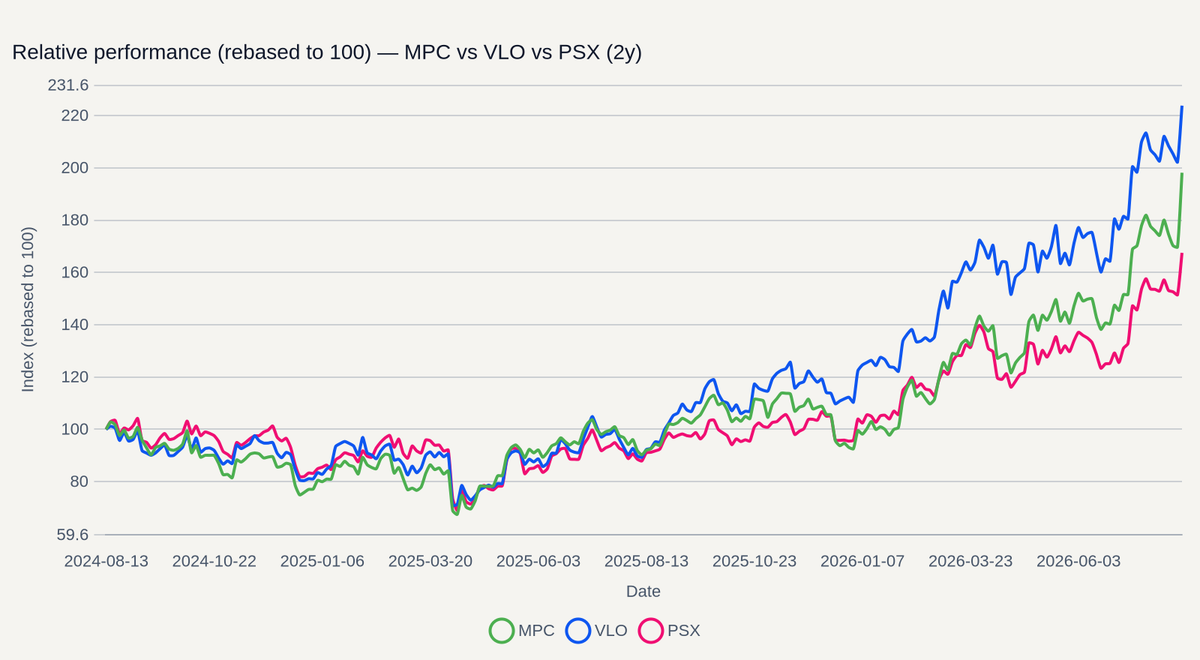
Gulf Coast and Midwest independent operators like VLO and MPC are gorging on historically elevated crack spreads. Because they source abundant domestic shale and operate sophisticated upgrading capacity, they largely dodge the massive freight premiums squeezing their international peers. Instead, they process insulated domestic inputs and export finished products into a constrained, higher-priced Atlantic basin.
The resulting cash flow is staggering. Second-quarter performance was among the strongest on record for the domestic refining sector, allowing management teams to aggressively step up shareholder return programs .
Pipeline tolls and the execution test
A refinery is only as resilient as the pipe feeding it. While upstream drillers and downstream refiners grab the headlines, the midstream sector is quietly repricing as a strategic national asset .
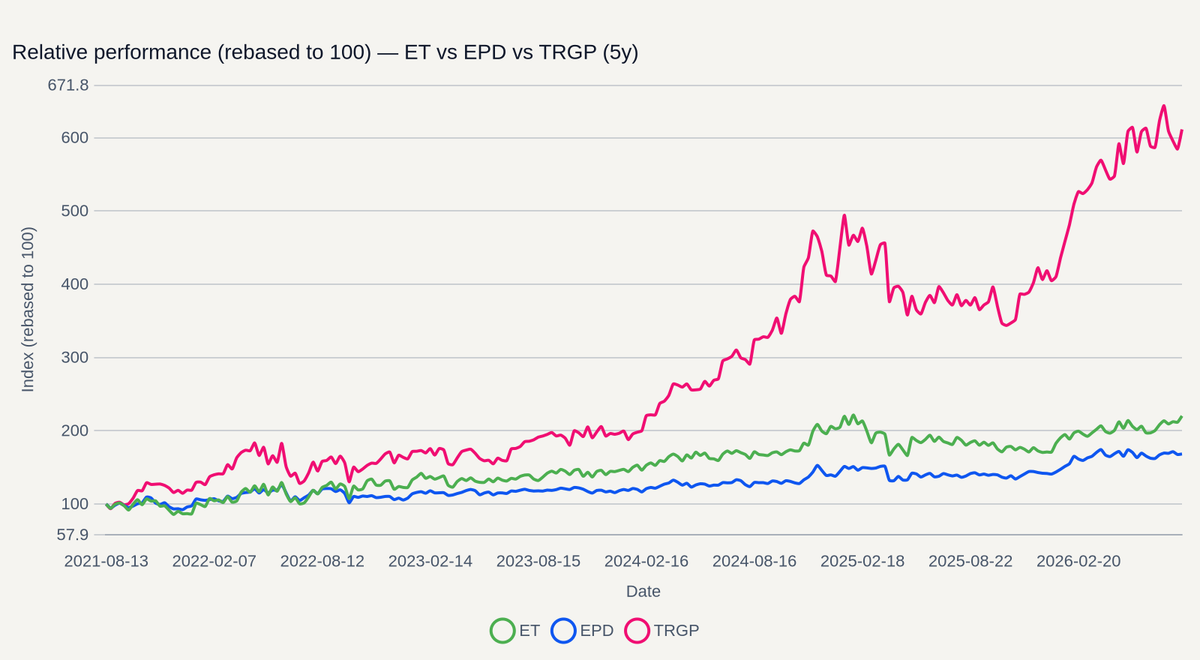
Operators like ET and EPD manage the sprawling interstate networks and export terminals required to clear this domestic bounty. The sector has materially re-rated this year, driven by renewed investment, massive consolidation, and long-term fee-based contracts that act as defensive toll booths on energy delivery . With global LNG and power generation demand accelerating, the value of steel in the ground is climbing fast.
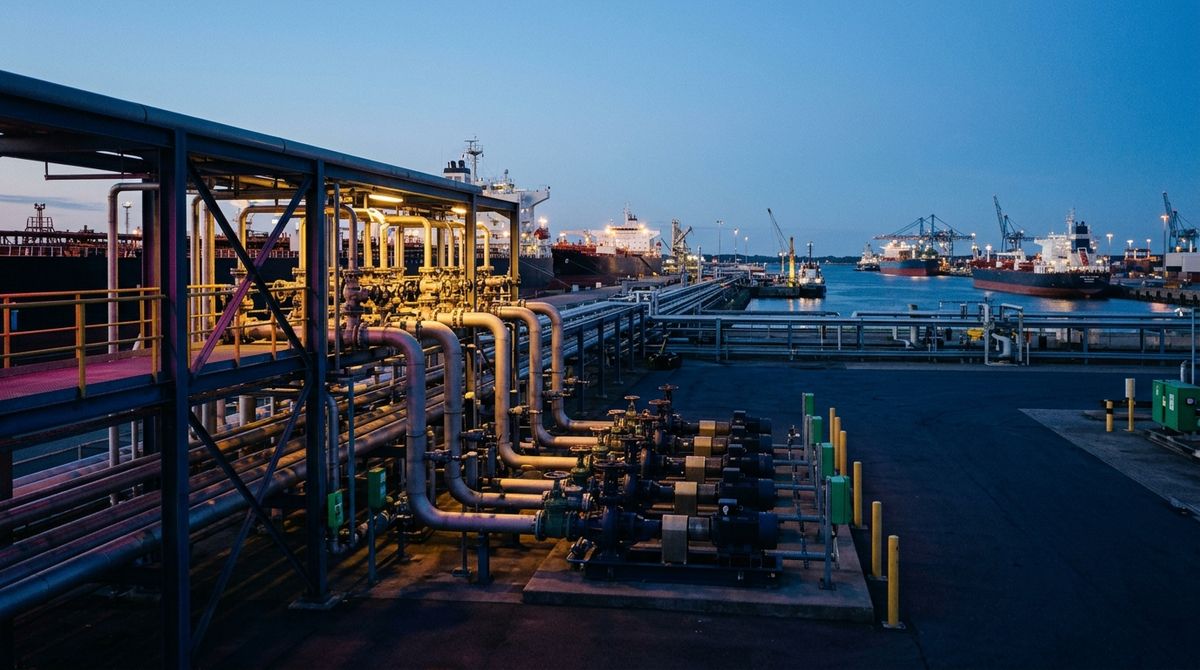
The primary headwind to this gold rush isn't underlying demand—it is regulatory friction. Environmental litigation and FERC permitting delays continue to cap new infrastructure capacity, making existing pipeline networks even more valuable .
Auditing the structural floor
This domestic bull case faces its next reality check during the upcoming Q3 earnings season. The market will heavily scrutinize capital allocation from midstream MLPs, demanding elevated distributions and strict capital discipline .
If U.S. product inventories build too rapidly, or if higher rates finally dent commercial distillate demand, those historic refining margins could compress. But as long as the Red Sea remains impassable for commercial tonnage, the geopolitical tax on global freight keeps a firm floor under domestic crack spreads.