Institutional capital is quietly swallowing the physical foundation of the U.S. housing market, absorbing private timberland at a clip of one million acres per year. While downstream commercial real estate remains bogged down by refinancing math and yield requirements, smart money is bypassing the landlords to lock up the raw materials. The logic is ruthlessly simple: when a structural deficit of over four million homes collides with limited natural assets, pricing power flows upstream.
This isn't a retail land rush. The buyers are institutional fiduciaries hedging against macroeconomic volatility by retreating to hard, growing assets. Bank of America pegs the acquisition rate of private U.S. timberland by institutions at a staggering one million acres annually. Simultaneously, Wall Street is pivoting its equity coverage, with Jefferies recently highlighting top U.S. building products stocks as the primary public-market beneficiaries of this physical supply-demand mismatch.
Transmitting the Four-Million-Unit Deficit
The fundamental arithmetic of the U.S. housing market is broken, and capital allocators are exploiting the gap. New home construction has persistently fallen short of household formations, leaving the country functionally short of an estimated 4.03 million homes . Cumulative supply is currently running roughly 4 to 5 million units shy of clearing the market, ensuring a multi-year backlog of demand .
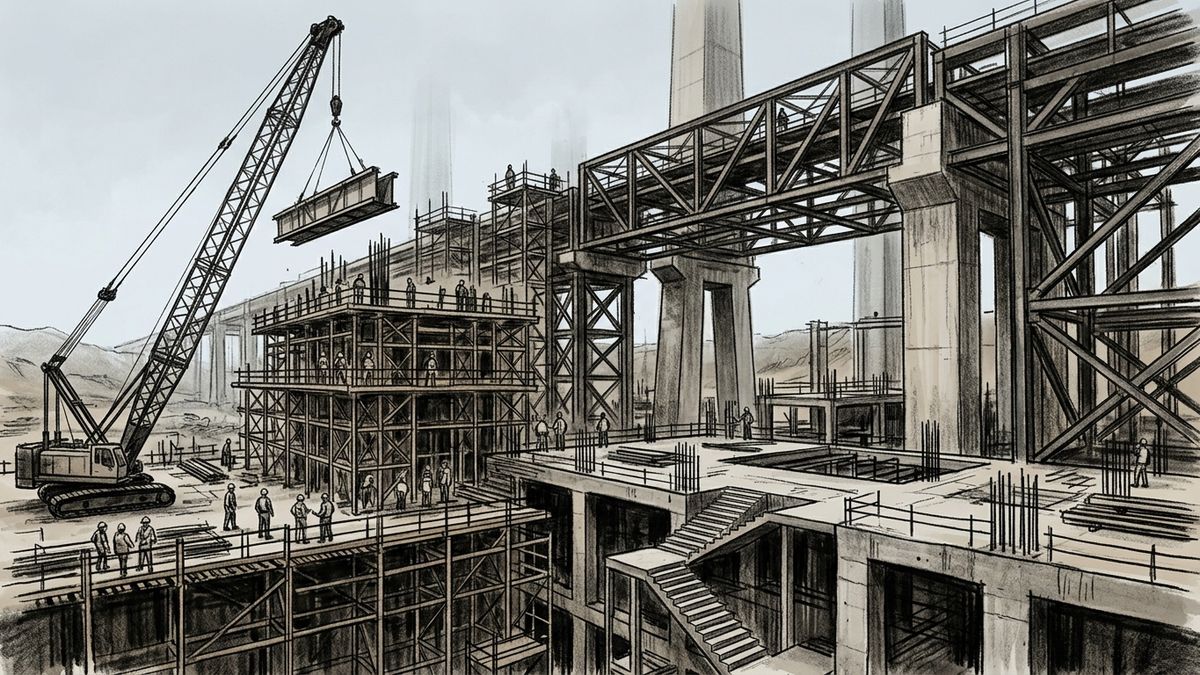
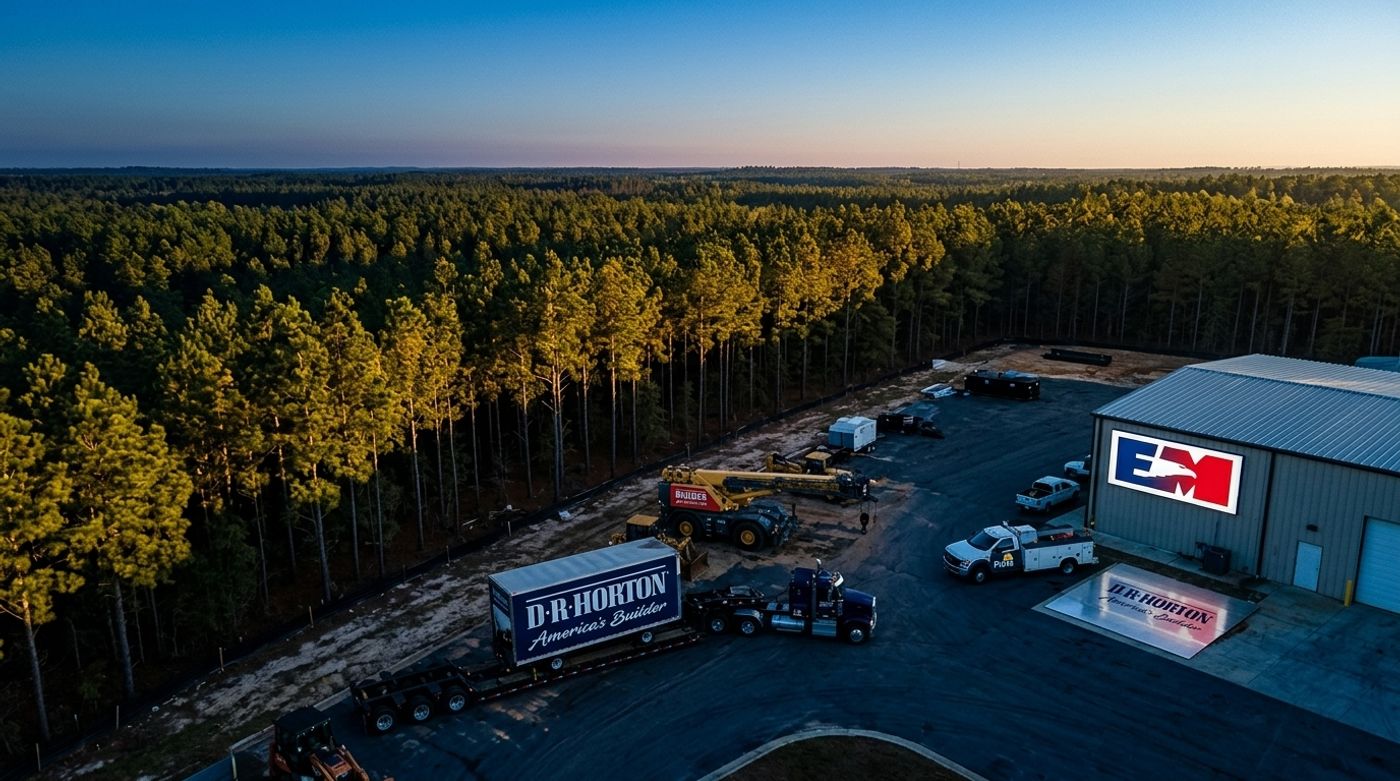
To bridge this chasm, developers are heavily leaning into modular construction, a shift that drastically accelerates timelines but requires massive, upfront raw material sourcing. Modular buildouts can slash residential construction costs by up to 30% . That operational shift forces major builders like D.R. Horton Inc and PulteGroup Inc to lock down massive forward contracts for timber, concrete, and structural framing months ahead of time.
Locking Down the Margin Pool
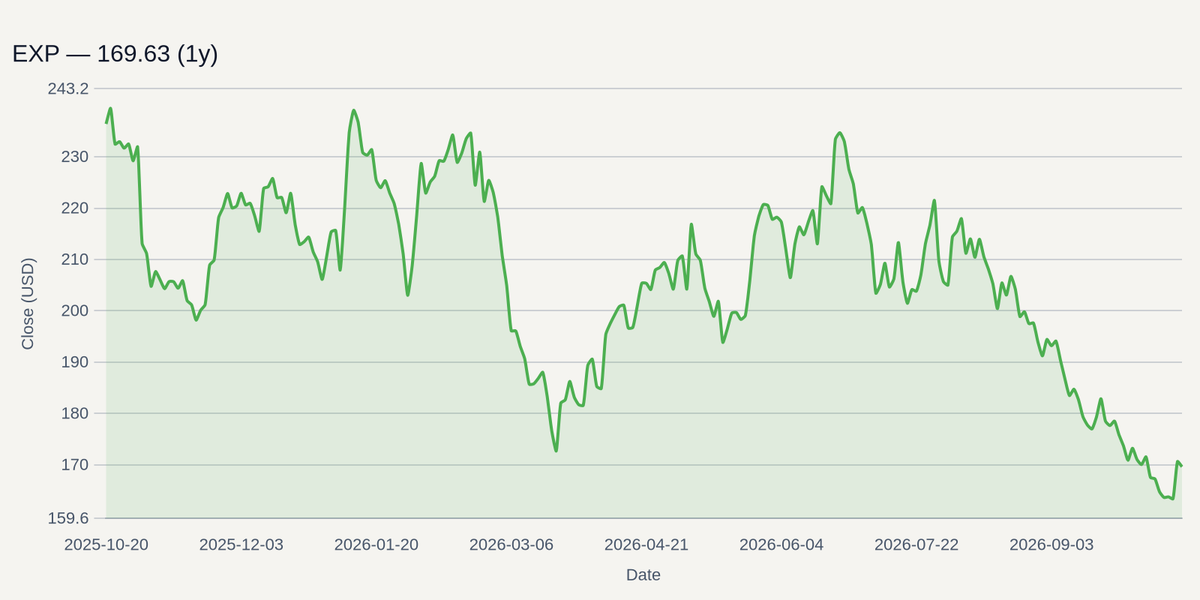
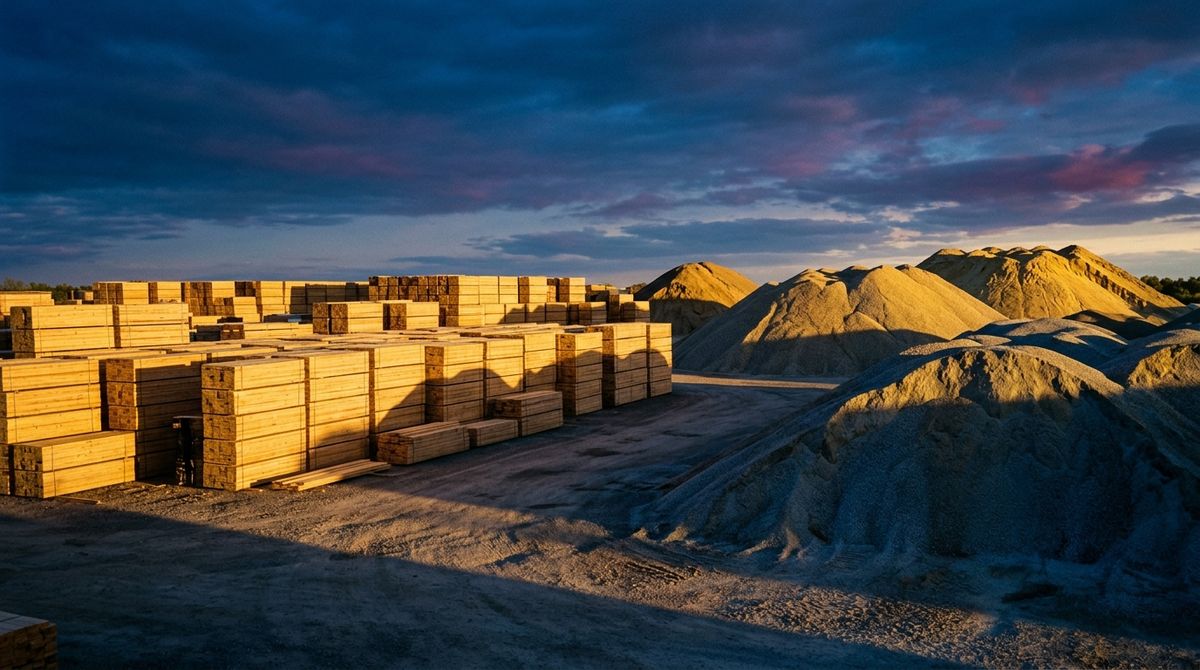
This dynamic is completely reshaping the Construction Materials value chain. Instead of taking duration risk on finished residential developments, capital is moving into aggregates and structural components where unit economics are practically geological. Companies like Eagle Materials Inc. and Vulcan Materials Company operate in localized oligopolies; heavy rock and aggregates are prohibitively expensive to haul past a modest trucking radius, granting regional pit and quarry operators formidable pricing power.
The structural demand is also drawing serious policy attention. Ambitious blueprints aimed at closing the national housing gap—such as a Center for American Progress proposal outlining roughly $95 billion in federal investments over five years —show where the political winds are blowing. When policy pushes to subsidize construction while local zoning restricts supply, the upstream operators digging raw inputs out of the ground capture the widening spread.
Where the Upstream Thesis Breaks
The friction here is timing. Timber grows on a biological clock, and raw logs are currently facing a sluggish pricing environment despite the institutional land rush. If persistent macroeconomic volatility dampens consumer spending, the pipeline of new housing developments could freeze before the materials are ever ordered .
Regulatory delays and local permitting bottlenecks remain the ultimate governor on construction velocity . You can own the timber and the gravel pit, but if the downstream developer cannot pull a municipal permit, the wood stays in the forest and the aggregate stays in the quarry.
Upcoming P&L Reality Checks
The gap between private timberland valuations and public equity pricing will be aggressively tested in the coming weeks. Eagle Materials Inc. steps up to report its fiscal Q2 earnings in late October, where its forward guidance reset will reveal exactly how much pricing power remains in the heavy materials segment.
On October 29, Builders FirstSource will print its own third-quarter results, providing the definitive read on whether modular pre-purchasing is actually hitting the bottom line. Scouter data indicates high expected catalyst density for these names—meaning the upstream rotation is no longer just a private equity land grab, it is about to collide with public income statements.