The Q3 print that revived the ecosystem
The semiconductor market was bracing for a post-election deep freeze. Last week's U.S. midterm results handed Democrats control of Congress, sparking fears of tighter AI regulations and paused data center construction. Then neocloud CoreWeave stepped in and cleared the room.
The specialized GPU cloud provider reported $3.7 billion in third-quarter revenue, more than doubling last year's $1.4 billion. That blowout number forced an immediate re-rating of the artificial intelligence capital expenditure cycle. The Nasdaq rebounded 1.6% as capital flooded back into silicon.
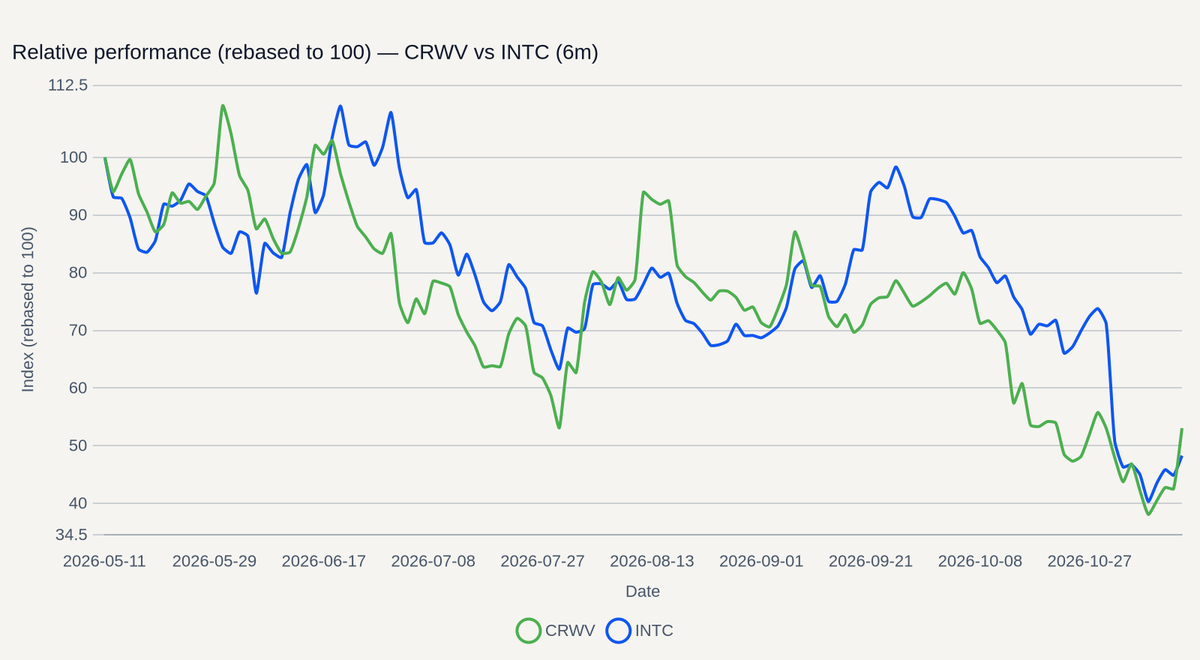
Investors had worried that hyperscaler capital exhaustion would snap the semiconductor food chain. Instead, CoreWeave's print proves the infrastructure firehose remains wide open. INTC spiked 7.5% in sympathy, while AMD and NVDA aggressively tracked the revived sentiment.
Moving past the apex predator phase
The narrative is shifting from a handful of hyperscalers hoarding flagship GPUs to a sustained, multi-year ecosystem build-out. Enterprise buyers are realizing they cannot afford to delay upgrades. The sunsetting of legacy operating systems is colliding with AI endpoint requirements, forcing a massive commercial upgrade cycle .
This Enterprise Hardware Refresh Cycle Driven by AI Adoption is restoring pricing power to legacy physical infrastructure providers. Businesses are abandoning the old, disruptive hardware refresh model in favor of continuous technology lifecycle management . They are reallocating budgets to secure high-capacity storage and powerful servers before the supply chain tightens further.
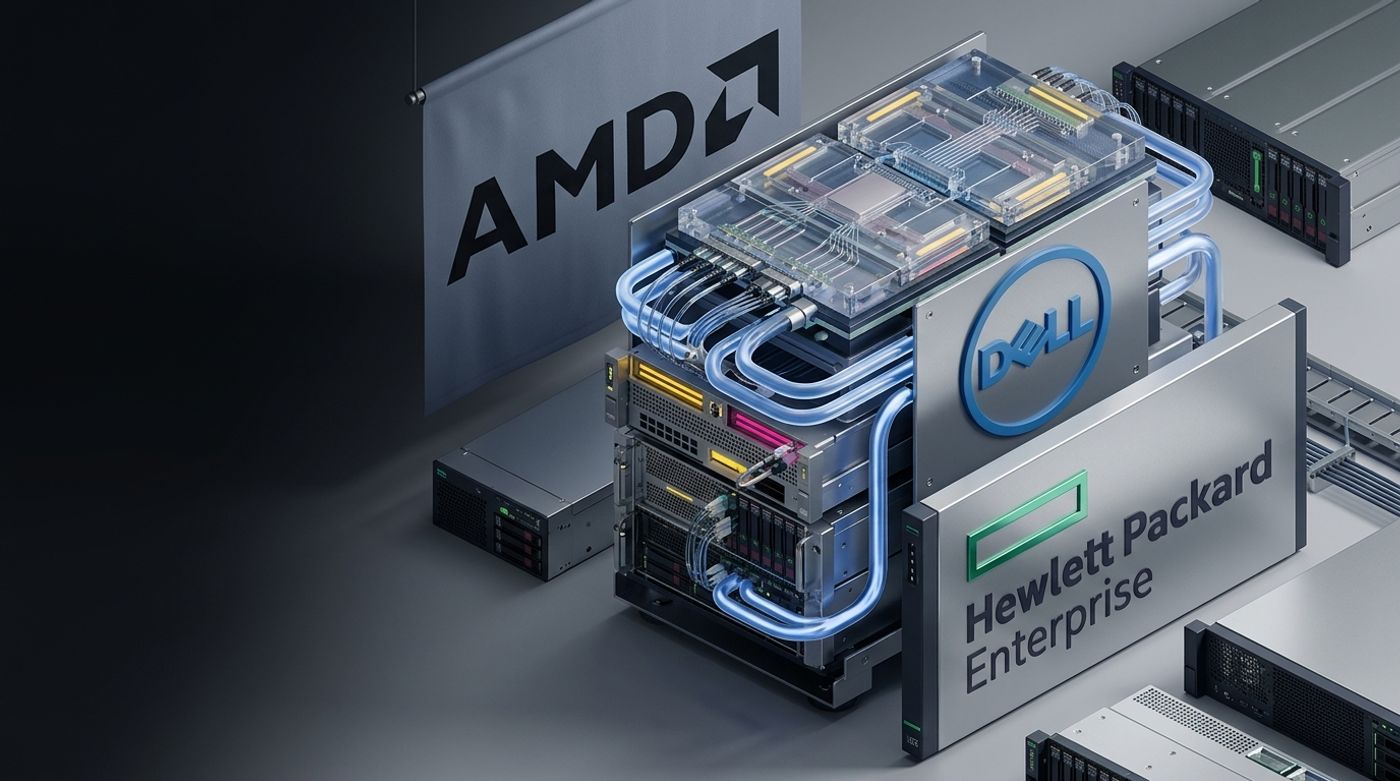
Innovations in machine learning and cloud infrastructure are structurally raising the floor for baseline hardware needs . For secondary suppliers like HPE and DELL, this represents a rare multi-quarter tailwind where volume and pricing power expand simultaneously.
The collateral damage in the PC market
The downstream reality of this AI frenzy is severe component starvation. Intel's sympathy rally masks a brutal underlying truth: skyrocketing memory prices and component shortages are gutting the traditional PC market. AI infrastructure demand is effectively strip-mining the rest of the supply chain.
This creates a bifurcated silicon economy. Enterprise storage and AI-ready servers are printing cash, while consumer-facing hardware starves for affordable inputs . Intel previously issued a weak Q4 forecast explicitly because this faltering PC segment remains its core business.
The primary risk here is that the AI hardware transition raises endpoint costs faster than enterprises can absorb them . If component inflation outpaces corporate IT budget growth, the refresh cycle could stall, leaving mid-tier suppliers holding excess inventory.
Where the capital flows next
CoreWeave just proved the upstream capital expenditure cycle is durable. Markets are now actively hunting for the next layer of beneficiaries. The alpha has moved from blindly buying the apex chipmakers to sizing the secondary integration layer.
Watch the upcoming catalyst calendar to see how this translates to margins. Nvidia prints its highly anticipated fiscal Q3 numbers on November 17, followed rapidly by Dell on November 24. These earnings releases will define whether enterprise AI traction is actually offsetting the weakness in legacy server demand.
Scouter's analysis flags this enterprise hardware cohort with a dense 4.2 dated catalysts per holding. The trade is no longer just betting on who builds the fastest chip, but who successfully installs, powers, and cools it inside the enterprise.