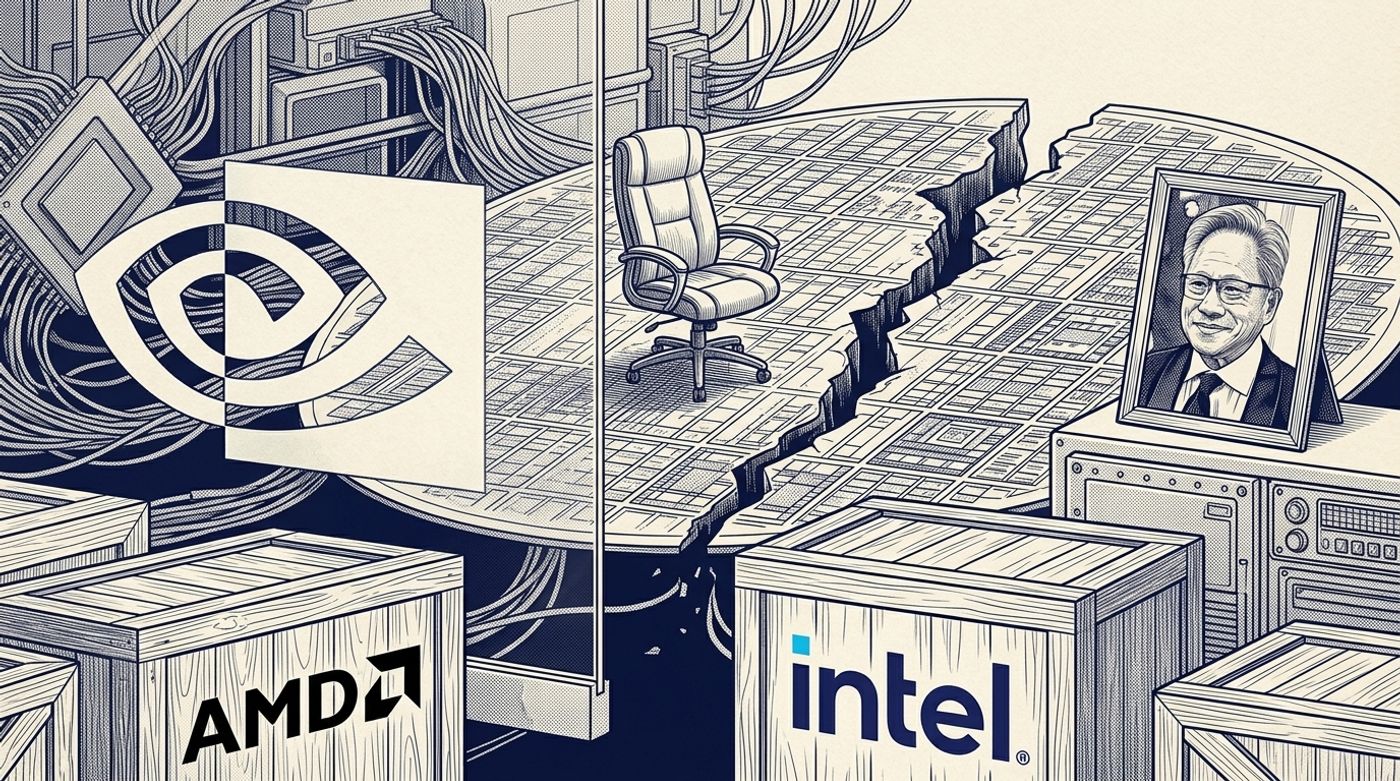
For the last two years, NVDA has traded less like a semiconductor manufacturer and more like a sovereign nation. Institutions treated its execution as a mathematical certainty, pricing the stock for flawless geopolitical navigation. That baseline shattered this week as the board opened an abrupt investigation into CEO Jensen Huang.
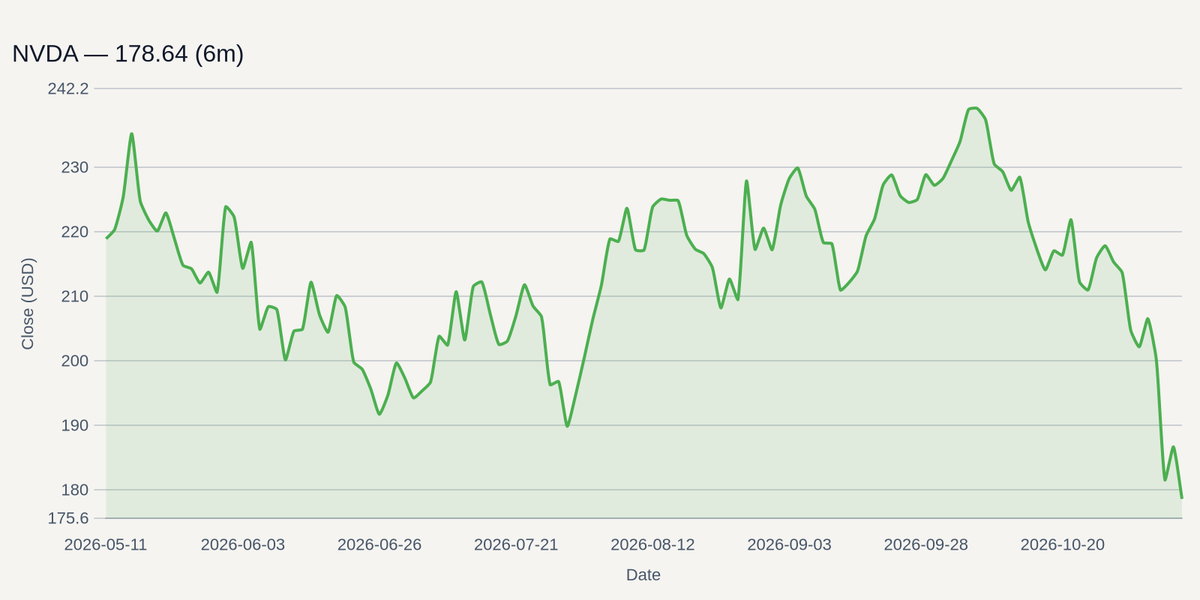
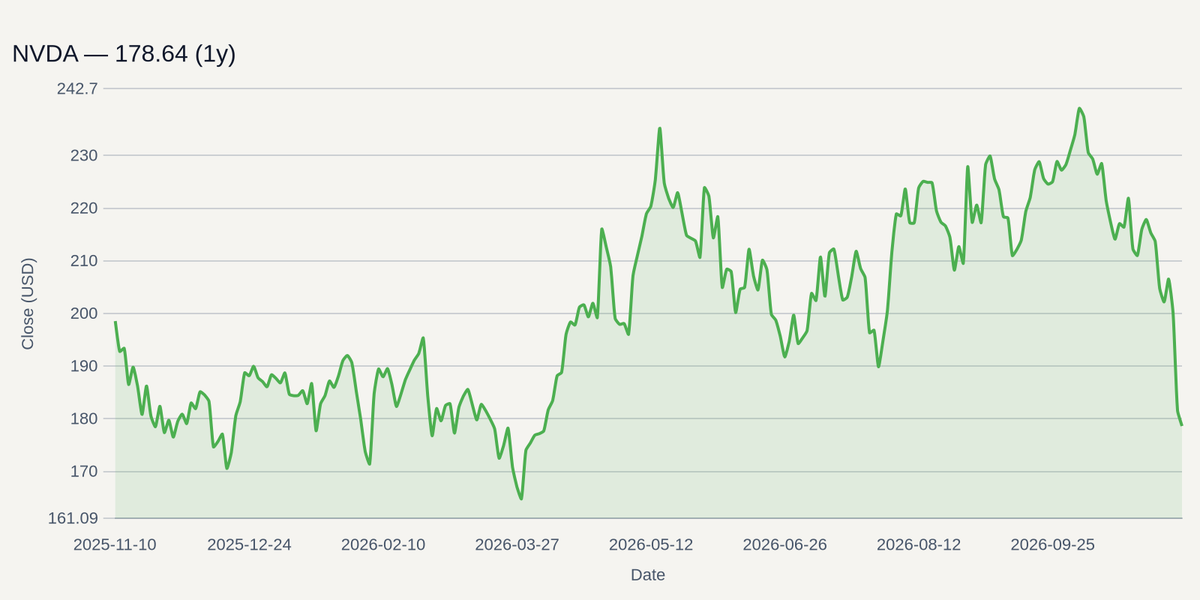
The trigger wasn't a standard HR complaint, but an alleged affair with a suspected Chinese spy, sending shares down 4% immediately on the headline . This elevates a routine governance crisis into a severe national security flashpoint. The market's most systematically important company now has a glaring, idiosyncratic key-man risk at the very top of its cap table.
The Commerce Department Complication
Nvidia's entire growth trajectory rests on navigating Washington's tightening export controls. The company has spent billions redesigning silicon architectures specifically to comply with the Department of Commerce’s red lines on Chinese AI capabilities. Injecting counterintelligence allegations into the C-suite threatens that delicate regulatory detente.
If regulators lose trust in Nvidia's internal firewalls, the friction on future export licenses could grind the AI Hardware build-out to a halt. The massive premium assigned to Nvidia’s stock assumes the company can seamlessly straddle the US-China silicon divide. That assumption is suddenly the weakest link in the global tech supply chain.

Collateral Damage in the Silicon Chain
Before the governance shock took over price action, Nvidia was already escalating its rhetoric. Management had spent months touting the structural supply advantages of its Blackwell cycle , framing it as an insurmountable hurdle for AMD and INTC. The thesis was simple: competitors lack the scale to bridge the moat.
But a moat built by a singular, visionary founder is fragile by design. If executive distraction—or forced succession planning—slows the hardware roadmap, the window for competitors to capture incremental datacenter share cracks open. The market is now forced to model a scenario where Nvidia's leadership team is fighting subpoena battles instead of supply chain bottlenecks.
Reframing the November Print
Institutions are flying blind into the upcoming November 17 earnings print. Historically, analysts only had to diligence hyperscaler capex budgets and TSMC wafer yields to gauge the quarter. Now, compliance officers and risk committees must dictate position sizing based on geopolitical optics.
A 4% haircut is merely a reflexive derisking, not a full institutional re-rating. The fundamental value of the stock over the next several quarters hinges on whether this remains an isolated board matter or cascades into a federal inquiry. Until that clears, the bedrock of the S&P 500 rests on shifting sand.