Broad markets celebrated the midterm election gridlock on Wednesday, sending the Dow up 1,500 points on the assumption that a divided Washington means a pause on transformative economic policy. But the more consequential price action happened in the commodity pits. Brent crude broke below the $95 threshold, dropping 8% on the session and triggering a sudden repricing of upstream energy assets.
For the U.S. oil and gas sector, $95 is not just a number on a screen—it is the psychological floor that separates easy margin expansion from operational reality. The last time crude slipped this violently, exploration and production (E&P) companies panicked, slashing dividends to keep drilling marginal acreage. This time, the sector is attempting to prove it actually kicked the habit.
Rewiring the unit economics of exploration
The old E&P playbook was simple: if crude is up, punch holes in the ground until it isn't. The new playbook is significantly more boring, which is to say, significantly more profitable.
Over the last three years, operators shifted from volume-driven growth to a strict "capital discipline" mandate. They prioritized free cash flow, aggressively paid down debt, and instituted rigid shareholder return frameworks. Recent operational data confirms that operating cash flow, while down slightly year-over-year from peak pricing, continues to cover an increasing share of capital expenditures .
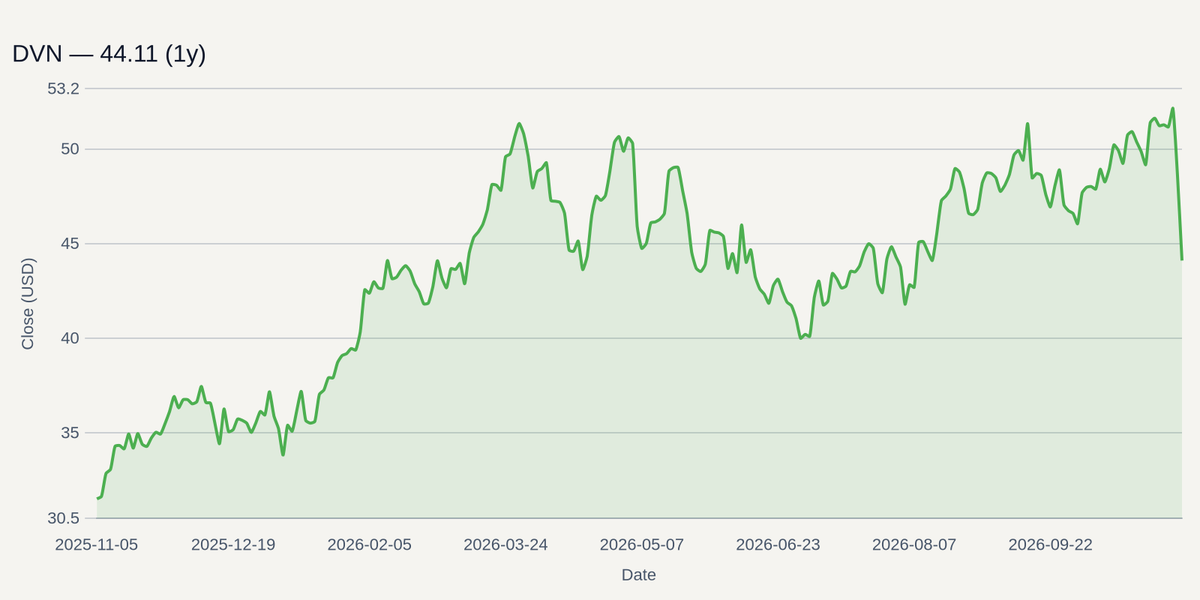
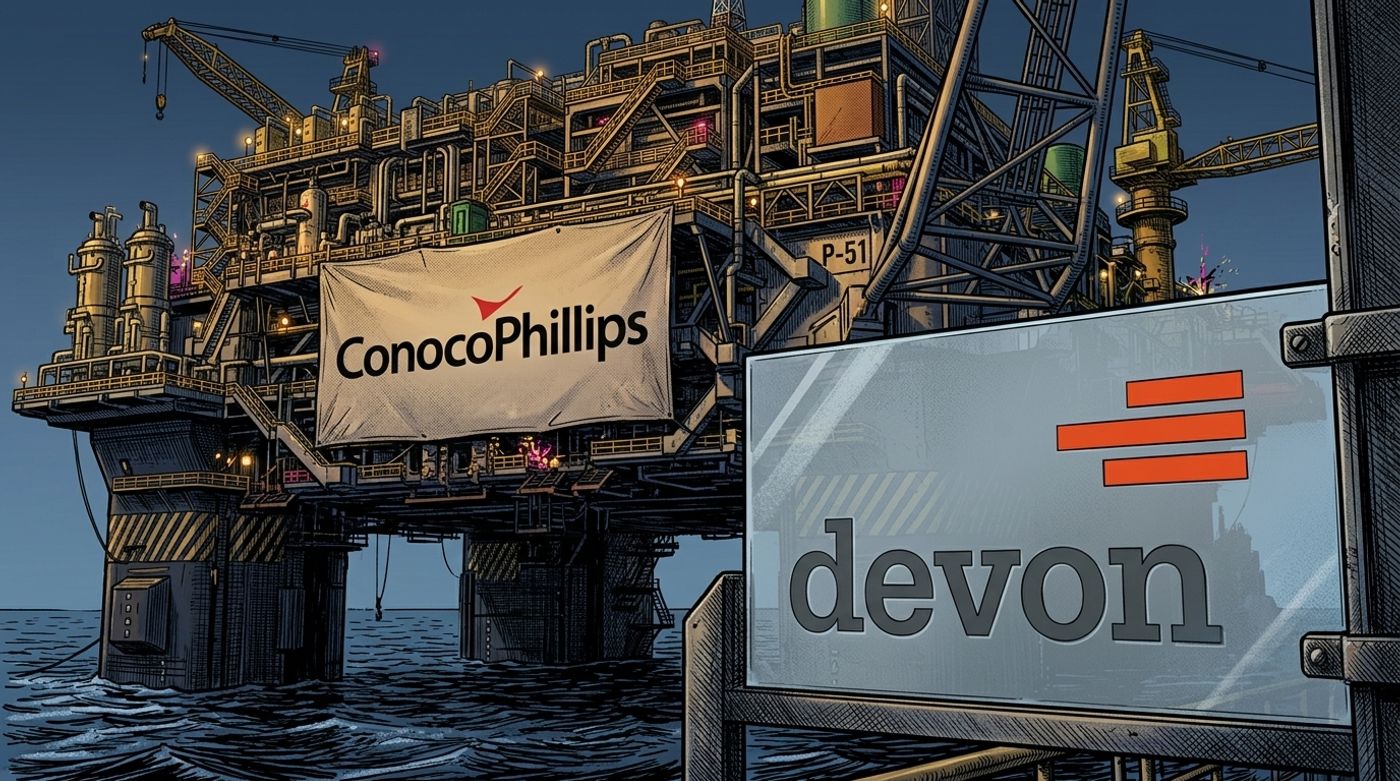
Essentially, producers are funding selective future growth without cannibalizing their balance sheets. The industry has managed to hit record production volumes while remaining highly selective about which new projects get greenlit . Companies like Devon Energy and ConocoPhillips act as the bellwethers for this fortified Oil & Gas Exploration & Production trend. They carry de-risked balance sheets that are explicitly engineered to defend their payout yields even if crude settles into the $80s.
The Q3 guidance and 2027 capex standoff
With Q3 earnings reports rolling out, management teams face a gauntlet. As royalty owner Kimbell Royalty Partners and operator Greenfire Resources step to the mic in the coming days, the market is not looking for heroic production boosts. For upstream operators, investors want absolute confirmation that 2027 capital budgets remain tight.
The structural risk to this posture is simple commodity gravity. If global demand cools faster than anticipated and OPEC+ decides to flood the market to reclaim lost market share, the cushion vanishes. At $70 crude, capital discipline morphs from a strategic luxury into a painful liquidity exercise, forcing producers to halt buybacks to keep the lights on.
For now, the E&P basket is holding the line. Scouter data shows the group boasting a 3-month relative strength of +11.1% against its benchmark, with 63% of the cohort still trading above their 200-day moving averages. The sudden drop below $95 is a shock to the broader indices, but for upstream operators, it is the exact scenario these balance sheets were rebuilt to survive.